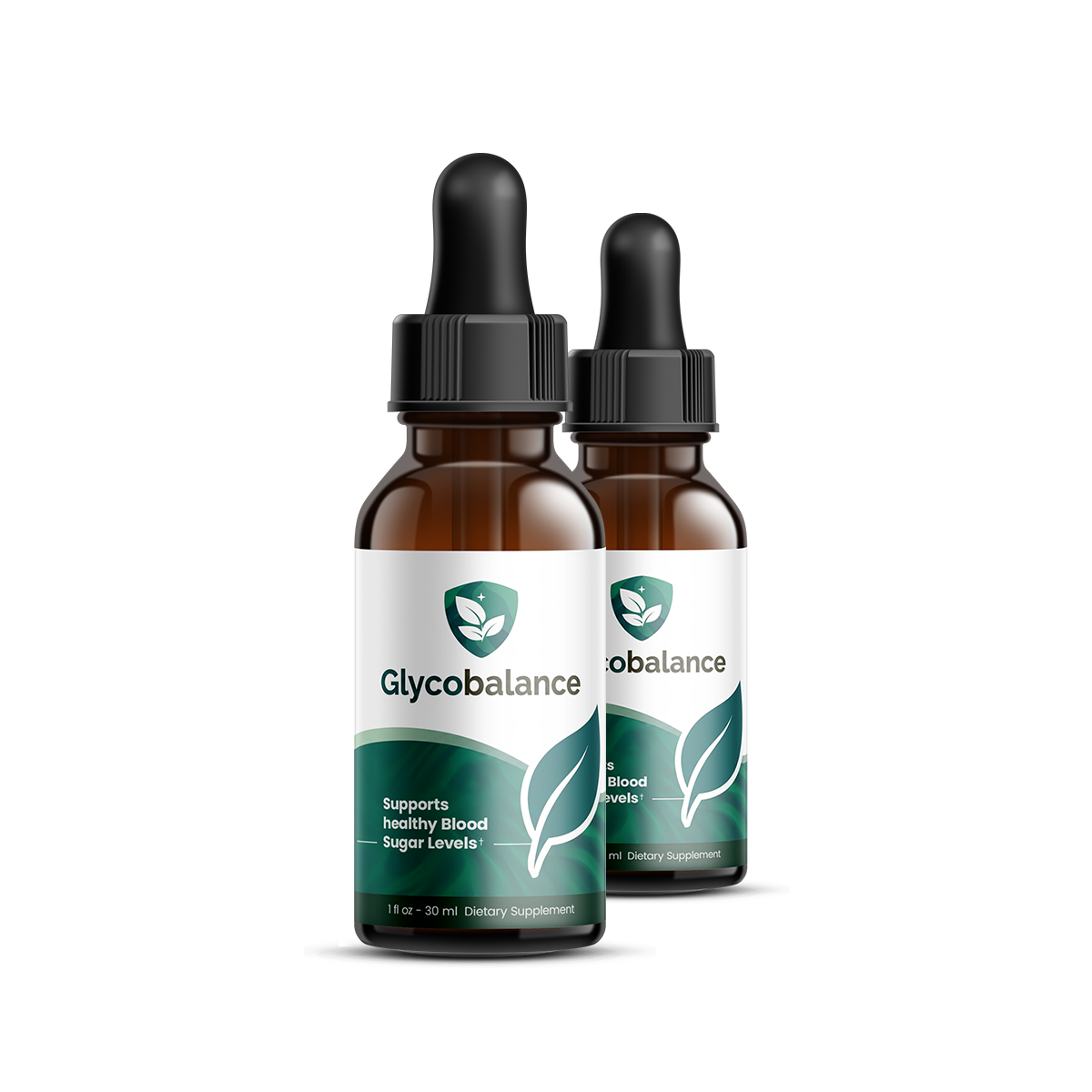
Most ingredients in blood sugar formulas work on how glucose is handled once it is circulating. White mulberry leaf is unusual in addressing an earlier step entirely.
What White Mulberry Is, Beyond GlycoBalance
White mulberry, Morus alba, is a tree native to China, historically best known as the food source for silkworms. Its leaves have long been used in traditional Chinese medicine and remain a common tea across parts of East Asia.
Research interest centres on 1-deoxynojirimycin, usually abbreviated DNJ, along with related compounds. These are studied as alpha-glucosidase inhibitors: they slow the enzymes that break complex carbohydrate into absorbable sugars in the small intestine.
Why That Mechanism Matters in GlycoBalance
Slowing breakdown means glucose enters the bloodstream more gradually after a meal rather than in a sharp spike. That is a different proposition from influencing what happens to glucose afterwards.
It also explains the most common side effect. Carbohydrate that is broken down more slowly spends longer in the gut, which can produce bloating, wind or loose stools — particularly at first or with a large carbohydrate load. That is the mechanism working as described rather than something going wrong.
What the White Mulberry Evidence Supports for GlycoBalance
The alpha-glucosidase inhibition mechanism is reasonably well characterised in laboratory settings. Human studies examining post-meal glucose response exist but are generally modest in size.
A specific complication: DNJ content varies considerably with leaf source, harvest timing and extraction method, which makes results hard to compare across trials and makes an undisclosed amount in a blend particularly difficult to assess. See our white mulberry page.
Practical Notes Alongside a GlycoBalance Routine
Because mulberry may lower post-meal glucose, the additive effect alongside insulin or other glucose-lowering medication is the main consideration — speak with a healthcare professional before use if that applies.
Worth noting that the same broad goal is served by eating patterns: pairing carbohydrate with protein, fat and fibre slows absorption too, at no cost and with no interaction risk.
General information, not medical advice
This article is educational and is not a substitute for consultation with a qualified healthcare professional. These statements have not been evaluated by the U.S. Food and Drug Administration. GlycoBalance is a dietary supplement and is not intended to diagnose, treat, cure or prevent any disease. It is not a treatment for diabetes and must never replace prescribed medication. Individual results may vary.
Related GlycoBalance Reading
More on the product: what GlycoBalance supports, how the formula is positioned, the six ingredients, or the FAQ.