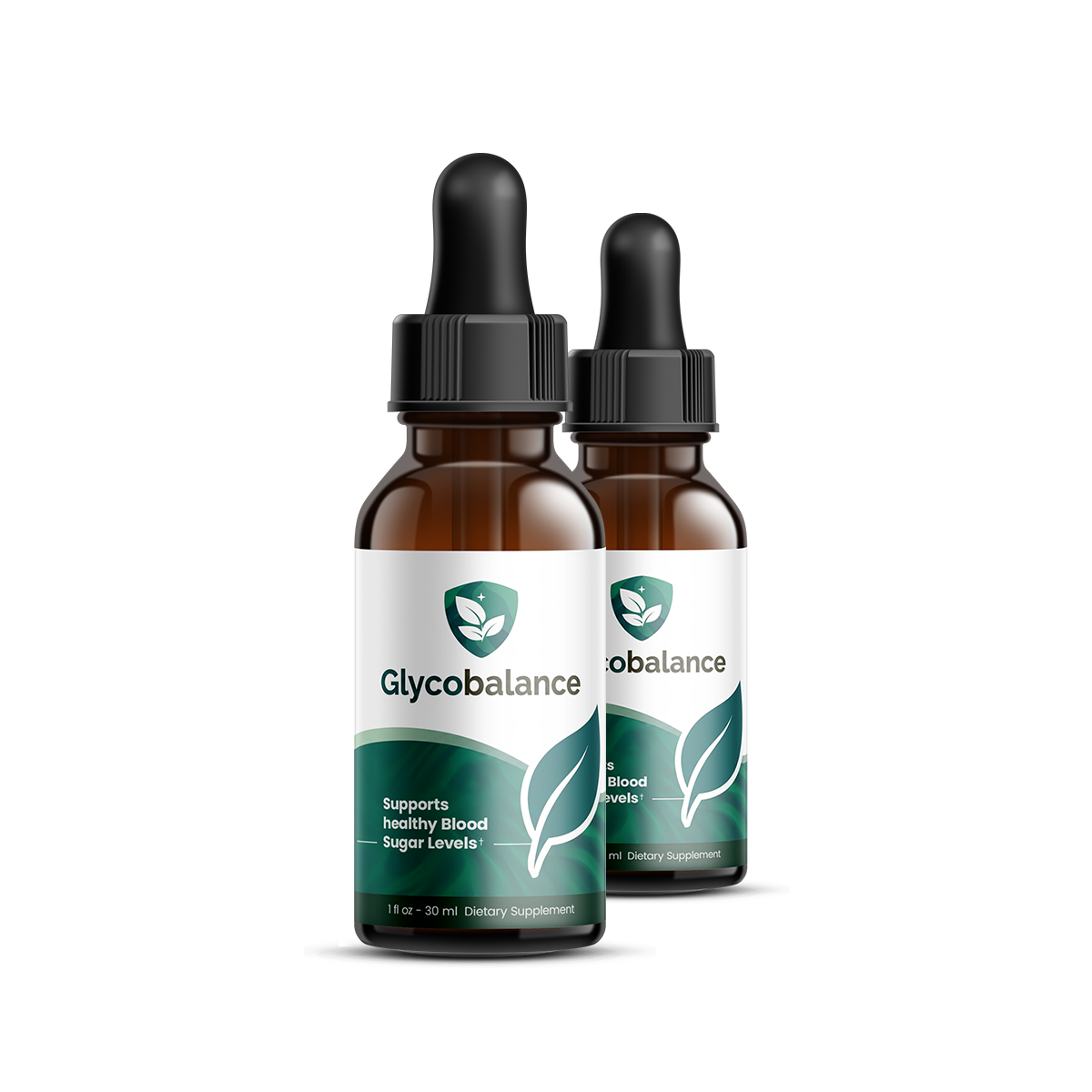
Cinnamon is probably the most familiar ingredient in this whole category, which is exactly why the claims attached to it need care.
The Species Distinction That Matters More Than GlycoBalance Marketing
Cinnamon comes from the inner bark of Cinnamomum trees, and two types dominate commerce. Ceylon cinnamon, from Cinnamomum verum, is pale, delicate and expensive. Cassia, from Cinnamomum cassia and relatives, is darker, harsher and fills most supermarket jars.
The difference that matters for anything taken daily is coumarin. Cassia contains substantially more, and coumarin has been associated with liver effects at high sustained intake — European food safety bodies publish tolerable daily intake guidance partly with cinnamon consumption in mind.
If you take a cinnamon supplement daily and also use cinnamon liberally in cooking, that is worth knowing about.
What Cinnamon Research Shows for GlycoBalance-Style Formulas
Cinnamon has been studied fairly extensively in relation to insulin signalling and post-meal glucose response, with proposed mechanisms involving compounds that may influence insulin receptor activity.
Human evidence is mixed. Some trials report modest movement in glucose markers; others find nothing significant. Meta-analyses have reached varying conclusions, complicated by different species, doses, durations and populations across studies.
Our cinnamon page sets out the detail. The accurate phrasing is that cinnamon has been studied in relation to post-meal glucose response — not that it delivers a guaranteed reduction in anything.
Using Cinnamon Sensibly Alongside GlycoBalance
As a culinary spice it is genuinely useful for adding flavour without sugar, which matters if you are cutting added sugar from coffee, porridge or yoghurt. That is a small, free, low-risk win.
As a supplement ingredient at an undisclosed amount inside a blend, keep expectations proportionate. Cinnamon may interact modestly with glucose-lowering medication, so mention it to your pharmacist if that applies.
The Post-Meal Window Beyond GlycoBalance
If the post-meal period is what you are focused on, the interventions with the strongest evidence are behavioural: walking for ten to fifteen minutes after eating measurably blunts the rise, and pairing carbohydrate with protein, fat and fibre flattens the curve. Both are free and interact with nothing.
General information, not medical advice
This article is educational and is not a substitute for consultation with a qualified healthcare professional. These statements have not been evaluated by the U.S. Food and Drug Administration. GlycoBalance is a dietary supplement and is not intended to diagnose, treat, cure or prevent any disease. It is not a treatment for diabetes and must never replace prescribed medication. Individual results may vary.
Related GlycoBalance Reading
More on the product: what GlycoBalance supports, how the formula is positioned, the six ingredients, or the FAQ.