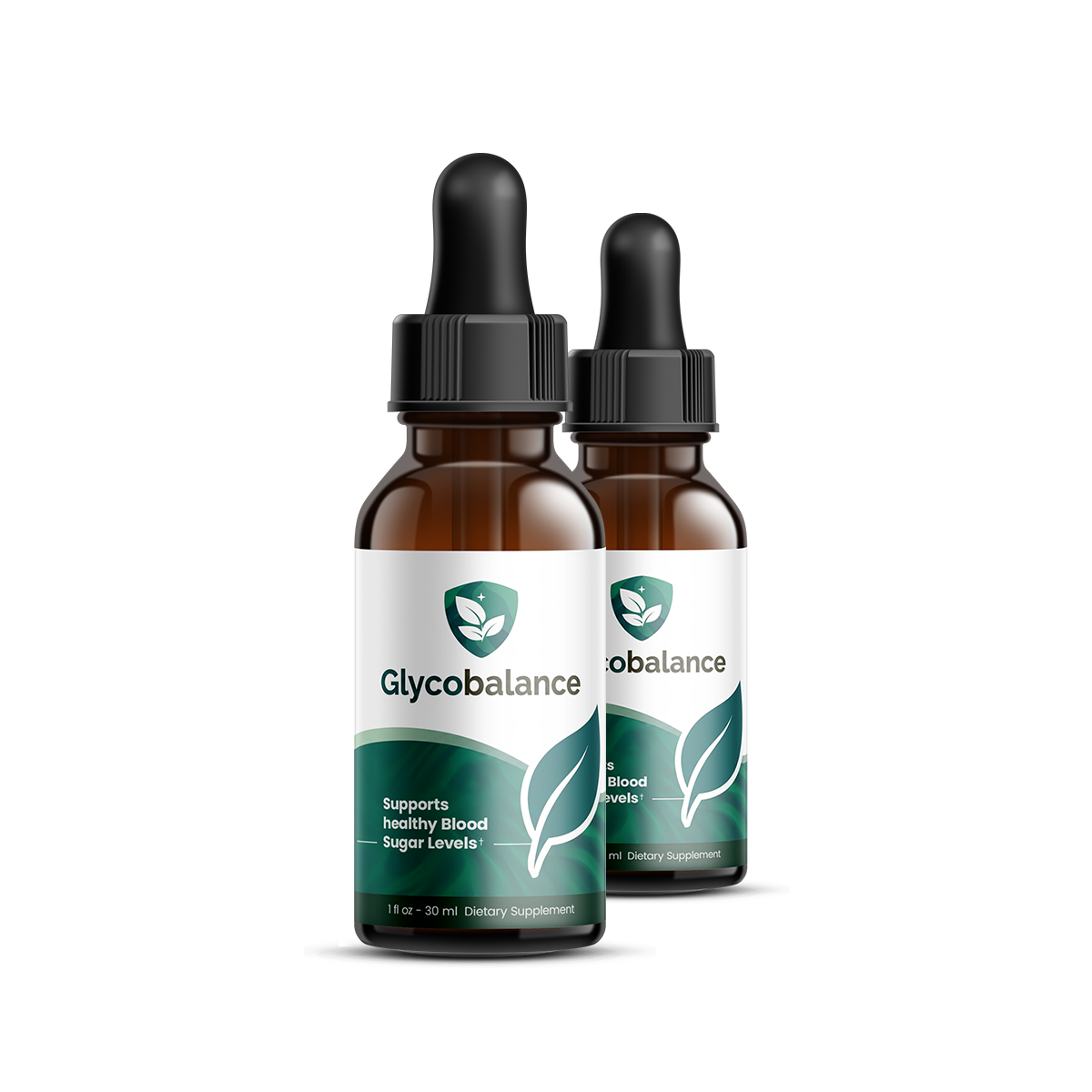
What White Mulberry Leaf Is, Before GlycoBalance
White mulberry, Morus alba, is a tree native to China, historically best known as the food source for silkworms. Its leaves have a long history of use in traditional Chinese medicine, and they remain a common tea ingredient across parts of East Asia.
Research interest centres on a compound group found in the leaves, principally 1-deoxynojirimycin, usually abbreviated DNJ. These compounds are studied as alpha-glucosidase inhibitors — they slow the enzymes that break complex carbohydrate down into absorbable sugars in the small intestine.
That mechanism is genuinely different from the others in this formula. Rather than influencing how glucose is used once it is in circulation, it relates to how quickly it gets there in the first place.
The Role of White Mulberry Leaf in GlycoBalance
White mulberry covers the carbohydrate absorption pathway, and it is arguably the most distinctive inclusion in the formula for that reason.
It complements Cinnamon Bark Powder across the post-meal window and Chromium on carbohydrate metabolism, approaching the same broad territory through a separate mechanism.
White Mulberry Leaf Evidence Context for GlycoBalance
Research on mulberry leaf and DNJ has examined effects on post-meal glucose response, with the alpha-glucosidase inhibition mechanism being reasonably well characterised in laboratory settings.
The human evidence base is smaller than berberine's and more preliminary. Studies have generally been modest in size, and the amount of DNJ in a given mulberry preparation varies considerably with leaf source, harvest timing and extraction method — which makes results difficult to compare across trials.
White mulberry is associated with carbohydrate absorption in the gut and has been studied in that context. As with every ingredient here, the amount in GlycoBalance is not published, and ingredient research does not establish what the finished product does.
Limits of the White Mulberry Leaf Evidence for GlycoBalance
Two constraints apply to this ingredient exactly as they apply to the other five, and they are worth restating rather than assuming you met them elsewhere.
The amount is not published. GlycoBalance does not disclose per-ingredient quantities, so nobody can line this formula up against the doses used in the research described above.
The finished product has not been tested. No clinical trial of the complete GlycoBalance formula has been published. Research on White Mulberry Leaf as an isolated compound does not establish what this product does, and nothing here should be read as claiming a clinically proven product.
White Mulberry Leaf Safety and Responsible Use With GlycoBalance
Mulberry leaf is generally well tolerated. The most commonly reported effects follow directly from the mechanism: slowing carbohydrate breakdown can produce bloating, wind or loose stools in some people, particularly at first or with larger carbohydrate loads.
Because it may lower post-meal glucose, the additive effect alongside insulin or other glucose-lowering medication is the main consideration. Speak with a healthcare professional before use if that applies. Anyone with a known allergy to mulberry or related plants should avoid it.
Mulberry leaf in a supplement is not a treatment for any condition and is not a substitute for prescribed medication.
General information, not medical advice
This page explains what an ingredient is and what research exists around it. It is not a claim that the ingredient produces any specific effect. GlycoBalance is a dietary supplement and is not intended to diagnose, treat, cure or prevent any disease. It is not a treatment for diabetes. Never stop or change prescribed medication because of anything read here. Individual results may vary.
Related GlycoBalance Ingredients
Continue with all six GlycoBalance ingredients, how the formula works, the benefits overview, or current package options.