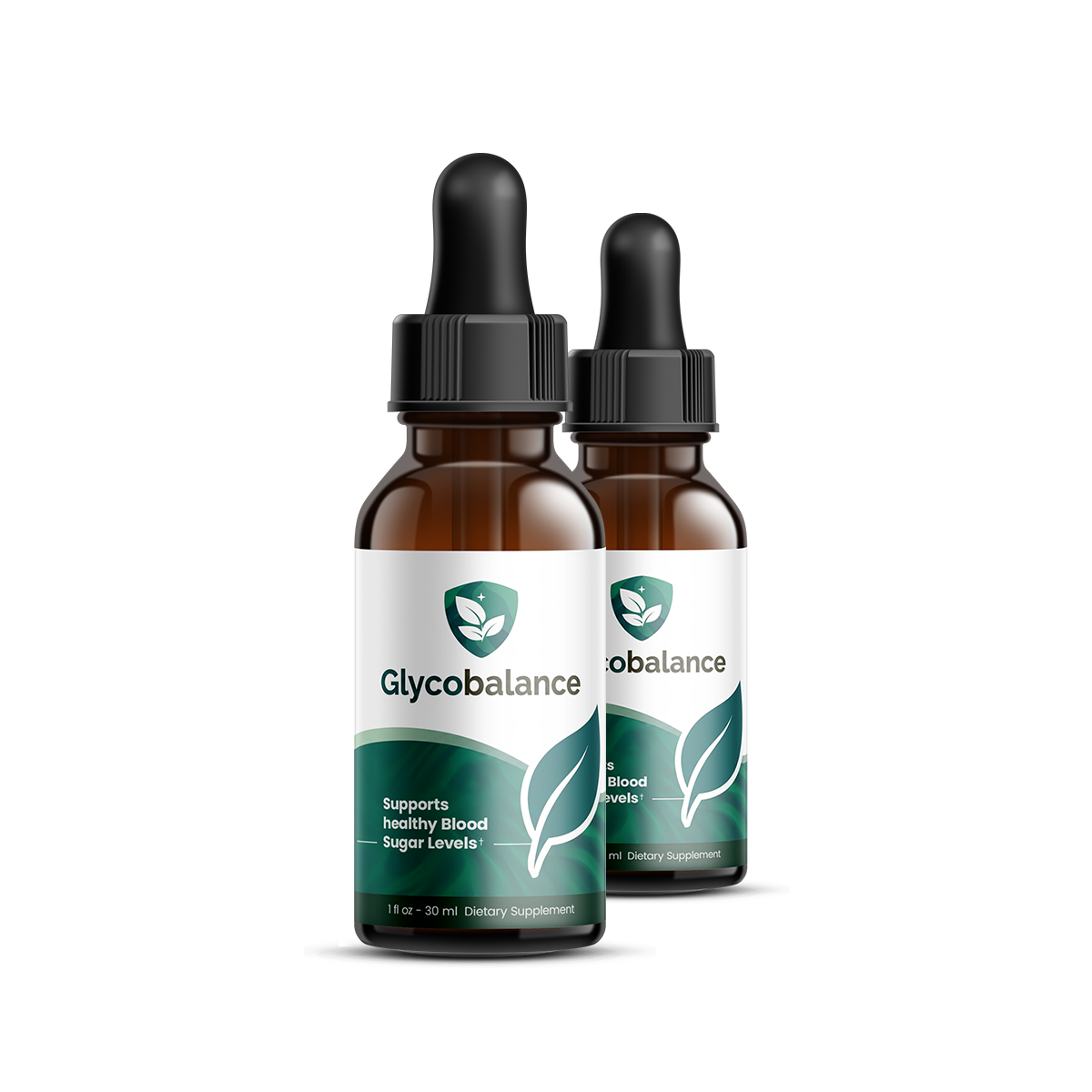
Of all the ingredients in this category, gymnema has the most immediately demonstrable traditional effect. It also has one of the smaller modern evidence bases. Both facts deserve airtime.
What Gymnema Is, Before GlycoBalance
Gymnema sylvestre is a woody climbing shrub native to India, Africa and Australia. Its Hindi name, gurmar, translates roughly as "sugar destroyer", and it has featured in Ayurvedic practice for well over a thousand years.
The traditional claim is unusually specific and easy to test: chewing the leaf temporarily removes the ability to taste sweetness. Sugar on the tongue afterwards registers as texture without flavour. This is attributed to gymnemic acids interfering with sweet taste receptors, and it is real enough to have been demonstrated repeatedly.
Why That Effect Does Not Transfer Directly to GlycoBalance
The taste effect requires direct contact with the tongue. A swallowed capsule bypasses that entirely, though a liquid format arguably makes some contact more likely.
Beyond taste, gymnema has been researched in relation to glucose metabolism and sugar intake, with proposed mechanisms including effects on intestinal sugar absorption. That research is modest in size and quality compared with berberine's, and reviews tend to conclude the findings are interesting but not yet sufficient for firm conclusions.
See our gymnema page for the detail.
What Actually Drives Sugar Cravings, GlycoBalance Aside
Craving sweet food is rarely a single-cause problem, and it responds to several things more reliably than to any botanical:
- Sleep. Short sleep measurably increases appetite and preference for energy-dense food.
- Protein at meals, which improves satiety and flattens the post-meal curve.
- Not skipping meals, since arriving at the evening genuinely hungry makes sugar considerably harder to refuse.
- Stress, which drives eating for reasons unrelated to hunger.
- Habit and environment. What is within arm's reach matters more than willpower.
Setting Expectations for Gymnema in GlycoBalance
Gymnema is traditionally used in relation to sugar cravings and may support that area. It does not eliminate cravings, and a product claiming it does is overselling a modest evidence base.
If cravings are the specific problem you are working on, the list above is where the returns are.
General information, not medical advice
This article is educational and is not a substitute for consultation with a qualified healthcare professional. These statements have not been evaluated by the U.S. Food and Drug Administration. GlycoBalance is a dietary supplement and is not intended to diagnose, treat, cure or prevent any disease. It is not a treatment for diabetes and must never replace prescribed medication. Individual results may vary.
Related GlycoBalance Reading
More on the product: what GlycoBalance supports, how the formula is positioned, the six ingredients, or the FAQ.