What Gymnema Sylvestre Is, Before GlycoBalance
Gymnema sylvestre is a woody climbing shrub native to India, Africa and Australia. Its Hindi name, gurmar, translates roughly as "sugar destroyer", and it has been used in Ayurvedic practice for well over a thousand years.
The traditional claim is unusually specific and easily observed: chewing the leaf temporarily dulls the ability to taste sweetness. Sugar placed on the tongue afterwards registers as texture without flavour. This effect is attributed to gymnemic acids, which appear to interfere with sweet taste receptors, and it is real enough to have been demonstrated repeatedly.
Worth noting that this taste effect requires direct contact with the tongue. It is not obviously applicable to a swallowed dose, though a liquid format arguably makes contact more likely than a capsule does.
The Role of Gymnema Sylvestre in GlycoBalance
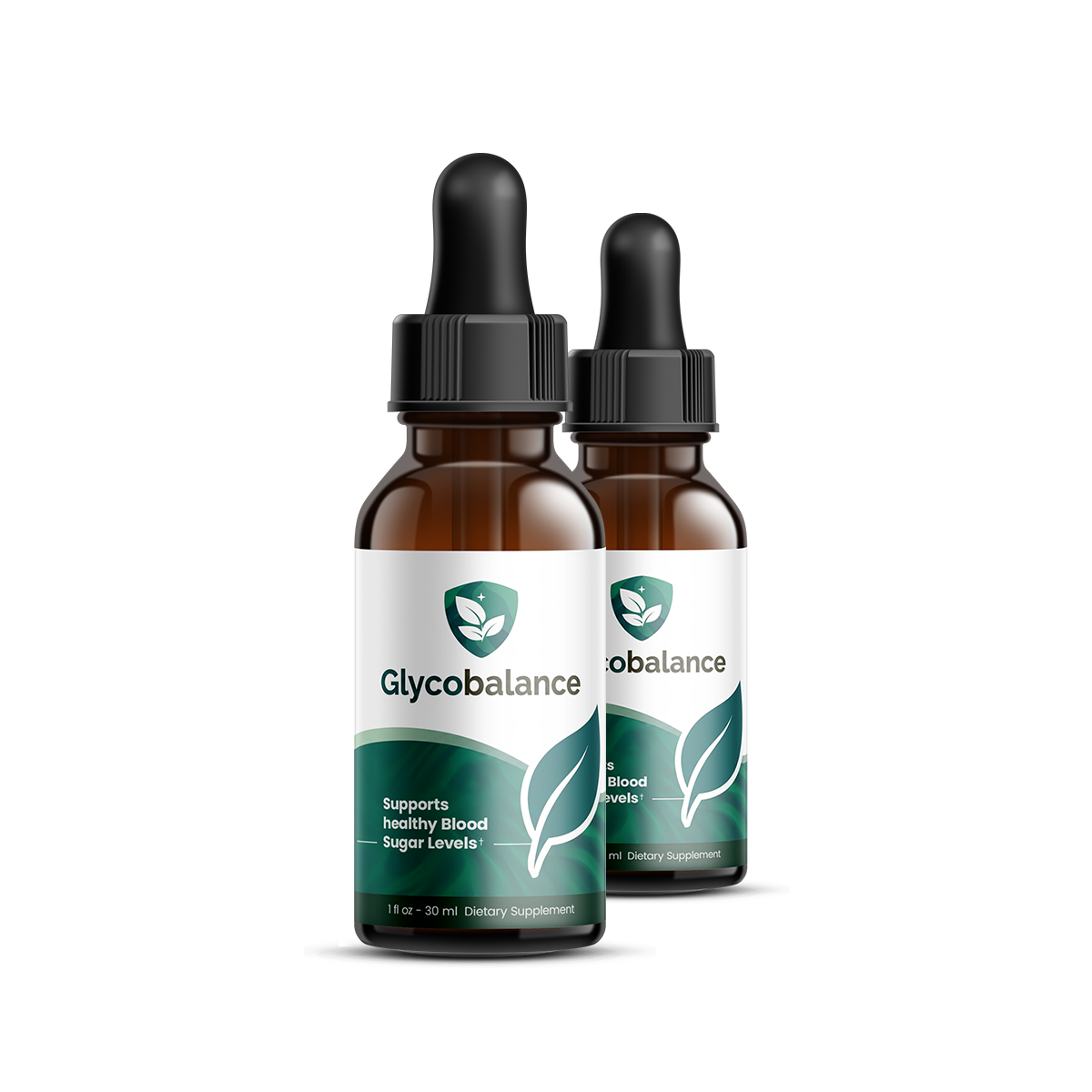
Gymnema covers the sugar craving pathway in the GlycoBalance formula, which is the only one of the six addressing behaviour rather than physiology — the wanting rather than the processing.
That makes it a thoughtful inclusion rather than filler, since appetite for sweet food is a genuine obstacle for many people working on their diet.
Gymnema Sylvestre Evidence Context for GlycoBalance
Beyond the taste effect, gymnema has been researched in relation to glucose metabolism and to sugar intake, with proposed mechanisms including effects on intestinal sugar absorption.
The human evidence base is modest in size and quality compared with berberine's. Studies have generally been small, and reviews tend to conclude that while findings are interesting, the evidence is not yet sufficient to draw firm conclusions.
Gymnema is traditionally used in relation to sugar cravings and has been researched around glucose metabolism. It may support this area. It does not eliminate cravings — and appetite is driven by sleep, stress, protein intake and habit considerably more than by any single botanical.
Limits of the Gymnema Sylvestre Evidence for GlycoBalance
Two constraints apply to this ingredient exactly as they apply to the other five, and they are worth restating rather than assuming you met them elsewhere.
The amount is not published. GlycoBalance does not disclose per-ingredient quantities, so nobody can line this formula up against the doses used in the research described above.
The finished product has not been tested. No clinical trial of the complete GlycoBalance formula has been published. Research on Gymnema Sylvestre as an isolated compound does not establish what this product does, and nothing here should be read as claiming a clinically proven product.
Gymnema Sylvestre Safety and Responsible Use With GlycoBalance
Gymnema is generally well tolerated. Digestive discomfort is the most commonly reported effect.
The principal consideration is the same one that runs through this formula: gymnema may lower blood glucose, so taken alongside insulin or other glucose-lowering medication the effects can add together. Speak with a healthcare professional before use if that applies to you.
There is insufficient safety information for pregnancy and breastfeeding, so it should be avoided in both. Gymnema in a supplement is not a treatment for any condition.
General information, not medical advice
This page explains what an ingredient is and what research exists around it. It is not a claim that the ingredient produces any specific effect. GlycoBalance is a dietary supplement and is not intended to diagnose, treat, cure or prevent any disease. It is not a treatment for diabetes. Never stop or change prescribed medication because of anything read here. Individual results may vary.
Related GlycoBalance Ingredients
Continue with all six GlycoBalance ingredients, how the formula works, the benefits overview, or current package options.