What Berberine Extract Is, Before GlycoBalance
Berberine is a bright yellow alkaloid found in several plants including barberry, goldenseal, Oregon grape and Chinese goldthread. Its colour is distinctive enough that it was historically used as a dye. Traditional Chinese and Ayurvedic practice used it for centuries, largely for digestive complaints rather than for anything metabolic.
Modern interest centres on AMP-activated protein kinase, usually shortened to AMPK. This enzyme acts something like a fuel gauge inside cells: when available energy runs low it activates and shifts the cell toward producing energy rather than storing it, which includes influencing how glucose is taken up. Berberine's proposed interaction with that pathway underpins its whole reputation.
One practical quirk shapes everything downstream. Berberine is poorly absorbed when taken by mouth, with only a modest fraction of a dose reaching circulation intact. This is why research protocols typically use substantial amounts split across the day rather than a single dose.
The Role of Berberine Extract in GlycoBalance
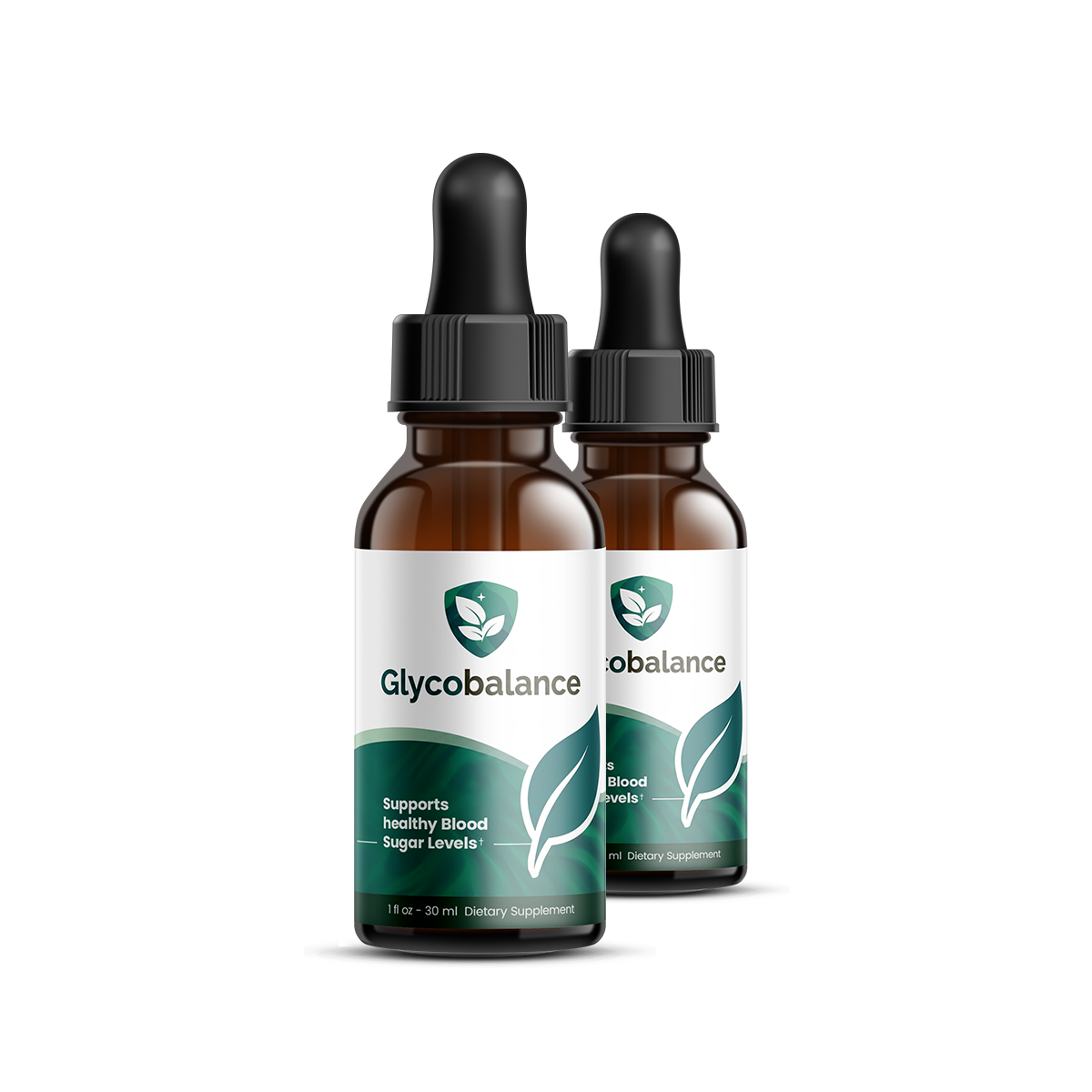
Berberine anchors the GlycoBalance formula and is the choice that holds up best under scrutiny. Anyone assembling a metabolic support product from the research literature rather than from tradition would start here.
Within the blend it pairs with Bitter Melon on the glucose metabolism pathway, while Chromium covers carbohydrate metabolism and White Mulberry Leaf addresses absorption.
Berberine Extract Evidence Context for GlycoBalance
Of everything in this formula, berberine carries by far the largest evidence base. Published meta-analyses have examined berberine supplementation in relation to glucose markers in study populations, and separate work has looked at lipid markers.
Several qualifications belong alongside that. Study quality across the literature varies considerably. A substantial share of the trials originate from a narrow set of regions. Protocols generally use several hundred milligrams two or three times daily, split deliberately because of the absorption problem above.
GlycoBalance publishes no berberine amount, and that is exactly where extrapolation breaks down. A result obtained at a specific gram-scale daily dose says nothing dependable about an undisclosed quantity in a 1 ml liquid serving alongside five other ingredients. Berberine has been studied for its role in glucose metabolism — but that research does not establish the effectiveness of the finished GlycoBalance formula.
Limits of the Berberine Extract Evidence for GlycoBalance
Two constraints apply to this ingredient exactly as they apply to the other five, and they are worth restating rather than assuming you met them elsewhere.
The amount is not published. GlycoBalance does not disclose per-ingredient quantities, so nobody can line this formula up against the doses used in the research described above.
The finished product has not been tested. No clinical trial of the complete GlycoBalance formula has been published. Research on Berberine Extract as an isolated compound does not establish what this product does, and nothing here should be read as claiming a clinically proven product.
Berberine Extract Safety and Responsible Use With GlycoBalance
This section carries more weight than anything else on the page.
It changes how other drugs are processed. Berberine inhibits CYP3A4 and P-glycoprotein, an enzyme and a transporter jointly responsible for metabolising a very wide range of medicines. Blood levels of other drugs can rise as a result — documented with certain statins, with immunosuppressants such as cyclosporine, and with some blood pressure and heart medications.
It can stack with glucose-lowering medication. Taken alongside insulin, metformin or sulfonylureas, berberine may add to the glucose-lowering effect and push readings lower than intended. Hypoglycaemia is not a minor inconvenience: it produces confusion, loss of consciousness and, when severe, seizures.
It is unsuitable in pregnancy and breastfeeding. Berberine crosses the placenta and has been associated with kernicterus risk in newborns, a serious jaundice-related brain injury. Avoid entirely.
Digestive effects — cramping, constipation, diarrhoea — are commonly reported on starting. If you take any prescription medicine at all, berberine is a concrete reason to check with a pharmacist before using a product containing it.
General information, not medical advice
This page explains what an ingredient is and what research exists around it. It is not a claim that the ingredient produces any specific effect. GlycoBalance is a dietary supplement and is not intended to diagnose, treat, cure or prevent any disease. It is not a treatment for diabetes. Never stop or change prescribed medication because of anything read here. Individual results may vary.
Related GlycoBalance Ingredients
Continue with all six GlycoBalance ingredients, how the formula works, the benefits overview, or current package options.